Prototyping blogpost Prototyping success stories

Racing toward Le Mans: How InMotion is building the world’s fastest-charging race car

User Profile Image

Felipe Castaneda

March 10, 2026

Chasing Le Mans: How InMotion is Recharging the Future with 3D Printing

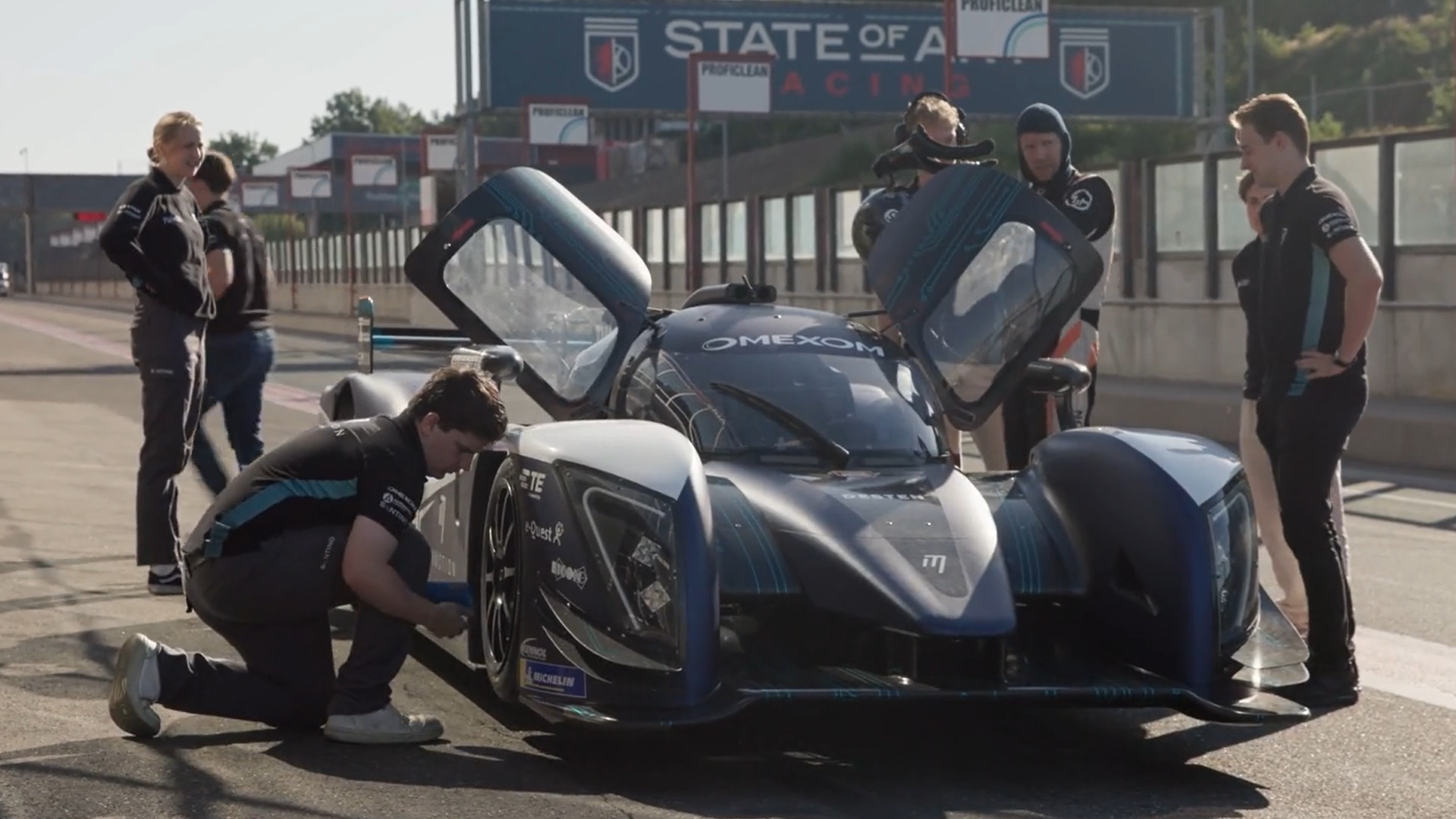
In the high-stakes world of automotive racing, innovation isn't just about speed—it’s about endurance and the technology that sustains it. InMotion, a student team from the Eindhoven University of Technology, is currently on a mission to prove that sustainable mobility can lead the pack. Their latest project, the Revolution, is an LMP3 race car designed to charge as fast as a petrol car refuels.

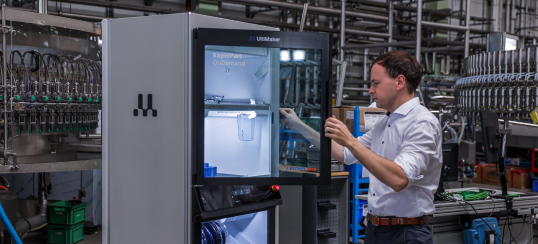
By leveraging UltiMaker 3D printing, the team is accelerating their development cycle and producing high-performance components that can withstand the brutal conditions of the racetrack.


The Quest for 4-Minute Charging

The InMotion team is focusing on a critical bottleneck for electric vehicles: charging speed. Their "Revolution" car features a custom-developed cell-level cooling technology that allows the battery to reach 80% charge in just four minutes. With a top speed exceeding 300 km/h, the car is built with the ultimate goal of competing in the 24 Hours of Le Mans. Because the team is converting an LMP3 chassis to electric with a powertrain designed from scratch, the need for custom, specialized components is immense.


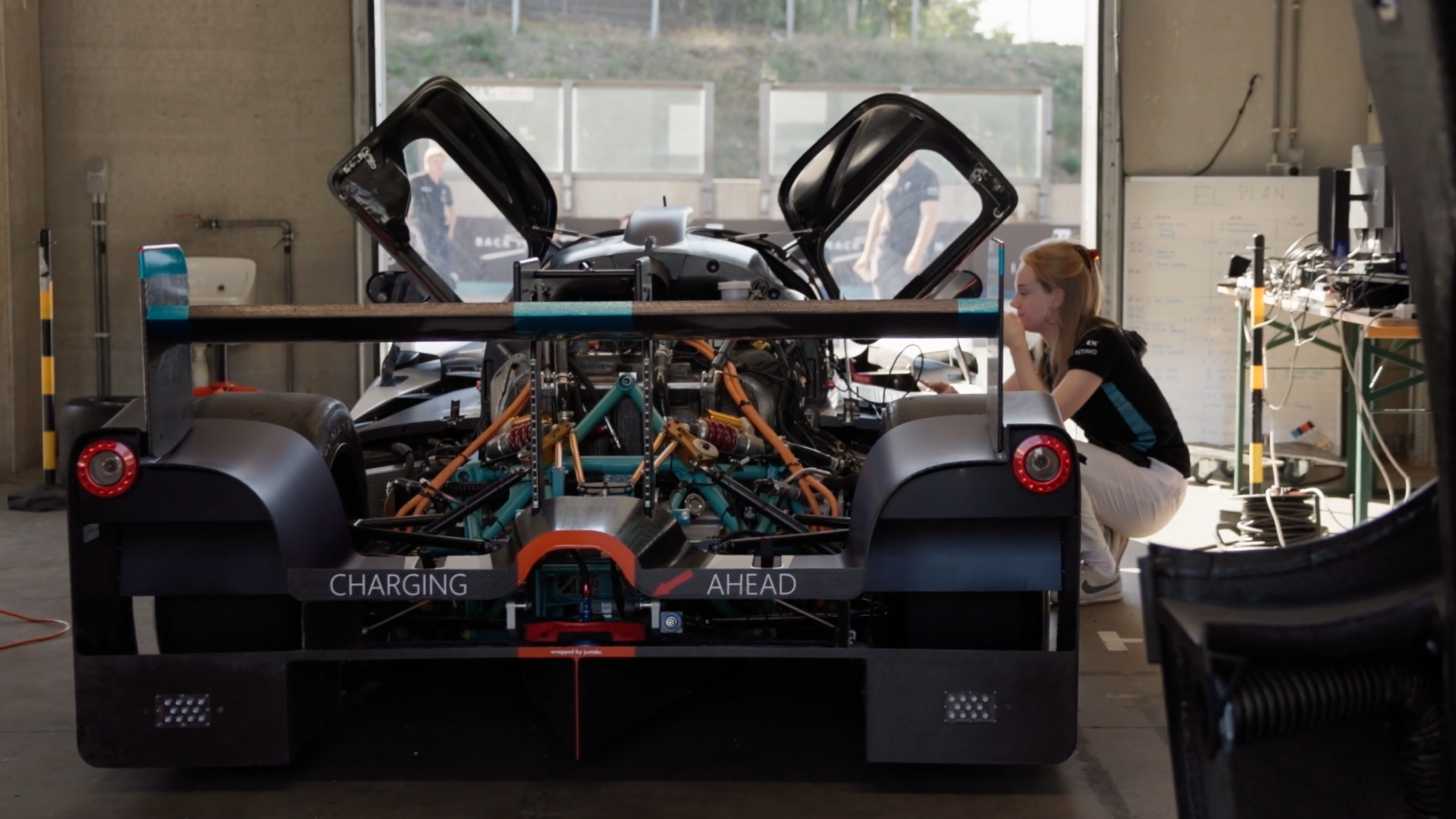
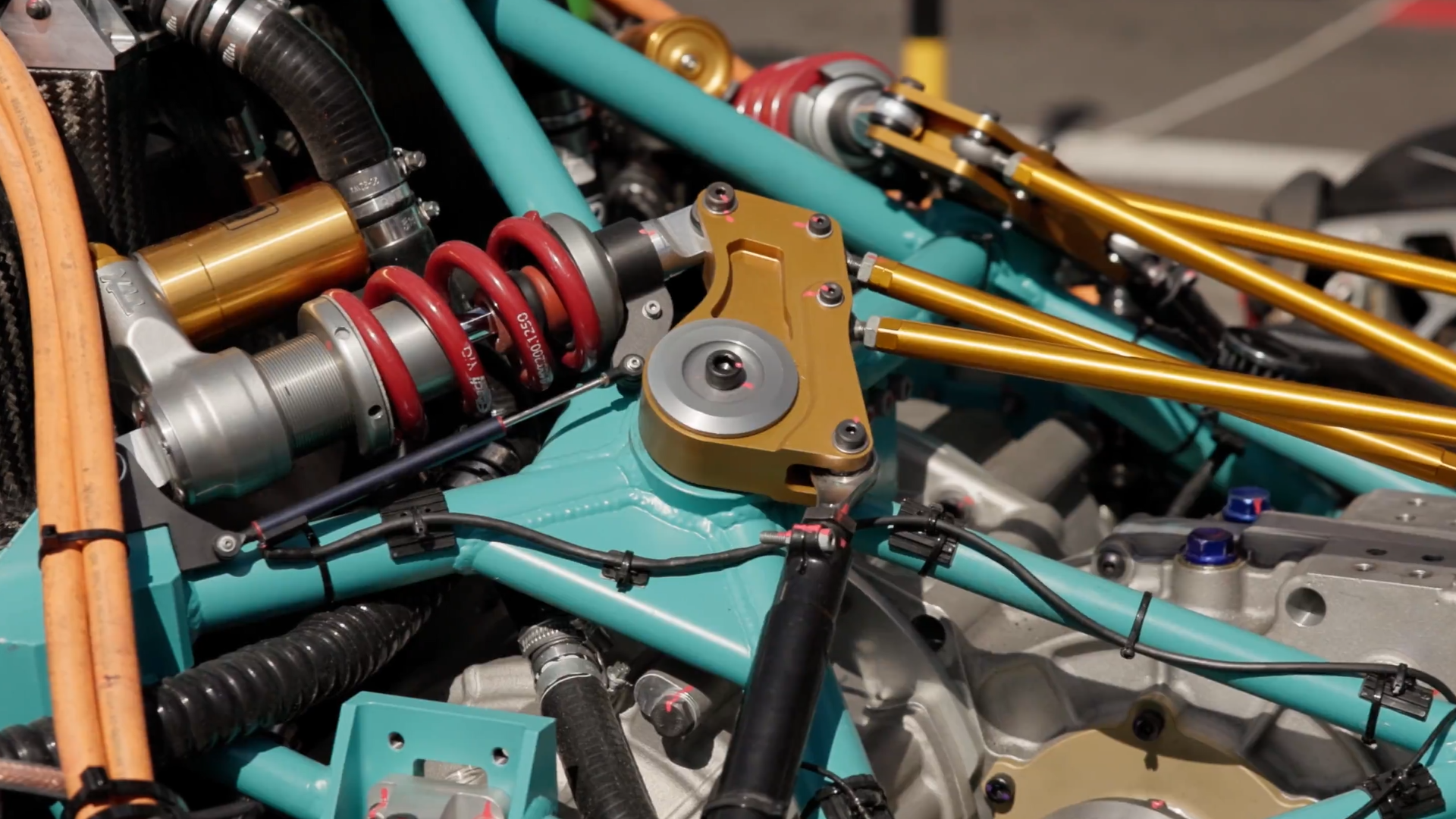
Precision Engineering in the Revolution LMP3 Chassis – An intricate look at the custom-designed powertrain and suspension components of InMotion’s electric race car.

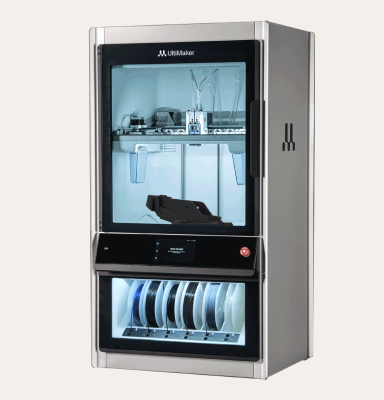
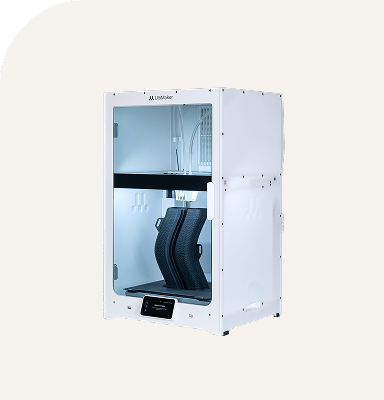
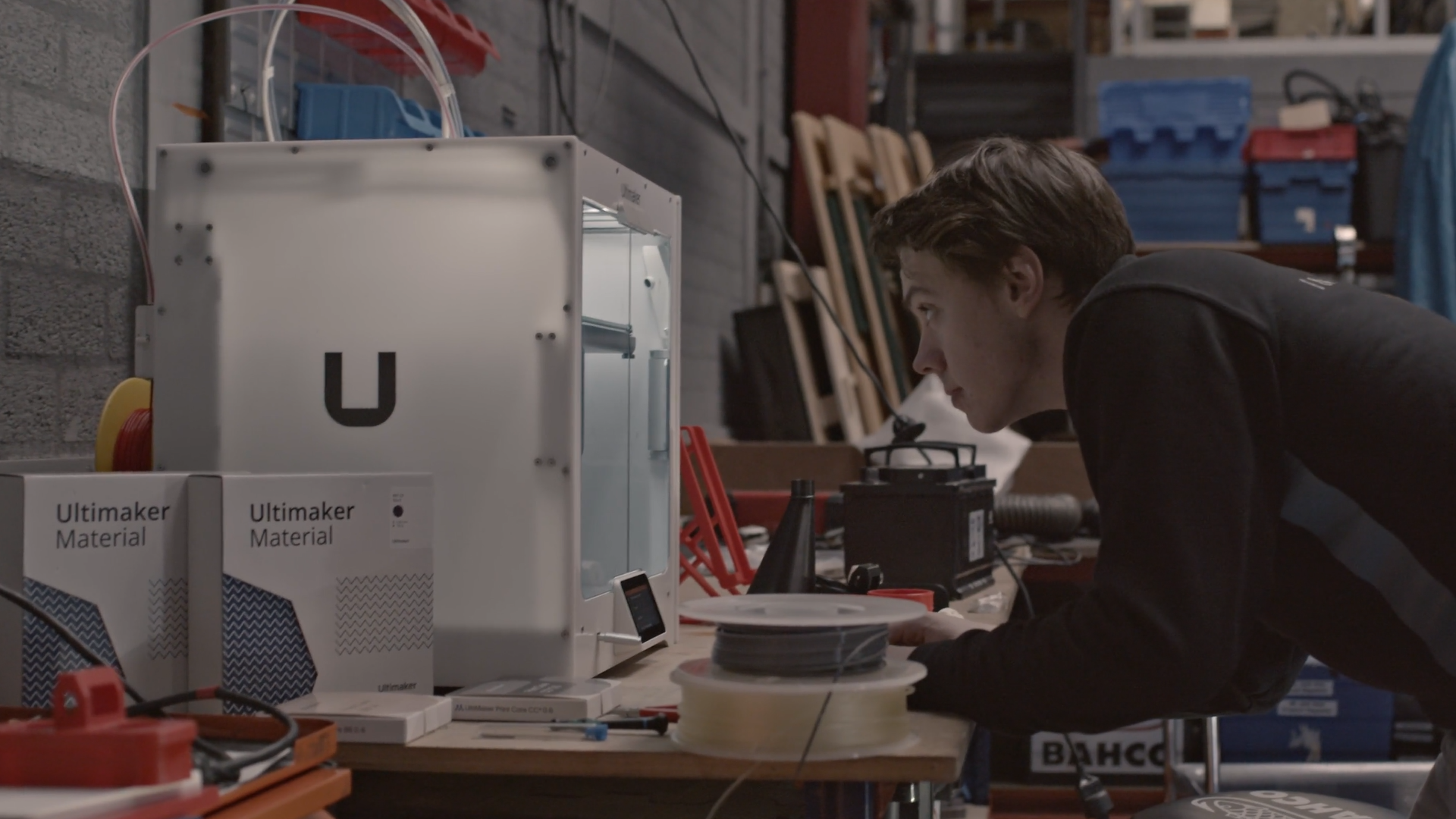
Iterative Prototyping at the Eindhoven University Workshop – Using an UltiMaker 3D printer to rapidly validate new designs for sustainable mobility.


From Validation to the Track

InMotion utilizes a structured "Prototype, Review, Refine" cycle to ensure every part is race-ready:

  1. Validation in PLA: Initial designs are printed in PLA to check fit and functional intent. This low-cost material allows the team to iterate quickly without wasting expensive resources.
  2. Durable PETG for End-Use: Most final parts, such as cooling pump holders and battery box covers, are printed in PETG. It offers durability, toughness, and temperature resistance up to 80°C.
  3. Extreme Performance with PET CF: For environments requiring high stiffness and heat resistance up to 180°C, the team has turned to PET Carbon Fiber (CF).

    Spotlight: The PET CF Climate Connector

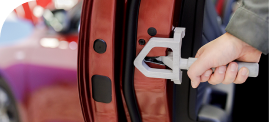
    A standout application of 3D printing in the Revolution is the Climate Connector. This part is essential for battery safety, designed to guide water directly into the battery in case of an emergency.

  • The Challenge: Previously, the engine cover had to be lifted to access the battery—a process that took far too long during a crisis.
  • The Solution: Using PET CF, InMotion manufactured a custom, stiff, and heat-resistant connector themselves.
  • The Result: Manufacturing this part in-house minimized potential vehicle damage and saved the team significant time and money.

Why 3D Printing is a "No-Brainer" for Innovation

For InMotion, the transition to additive manufacturing has completely shifted their production economics:

  • Time Savings: Production timelines for custom parts have been slashed from weeks to mere hours.
  • Cost Reduction: Parts that would cost hundreds of euros to outsource are now produced for as little as five euros.
  • Performance Integration: Low-cost, fast iteration enables the team to test more complex integrations, leading to higher-performance parts that wouldn't be feasible with traditional manufacturing.

As InMotion continues to push the boundaries of sustainable racing, 3D printing remains the engine behind their rapid innovation.


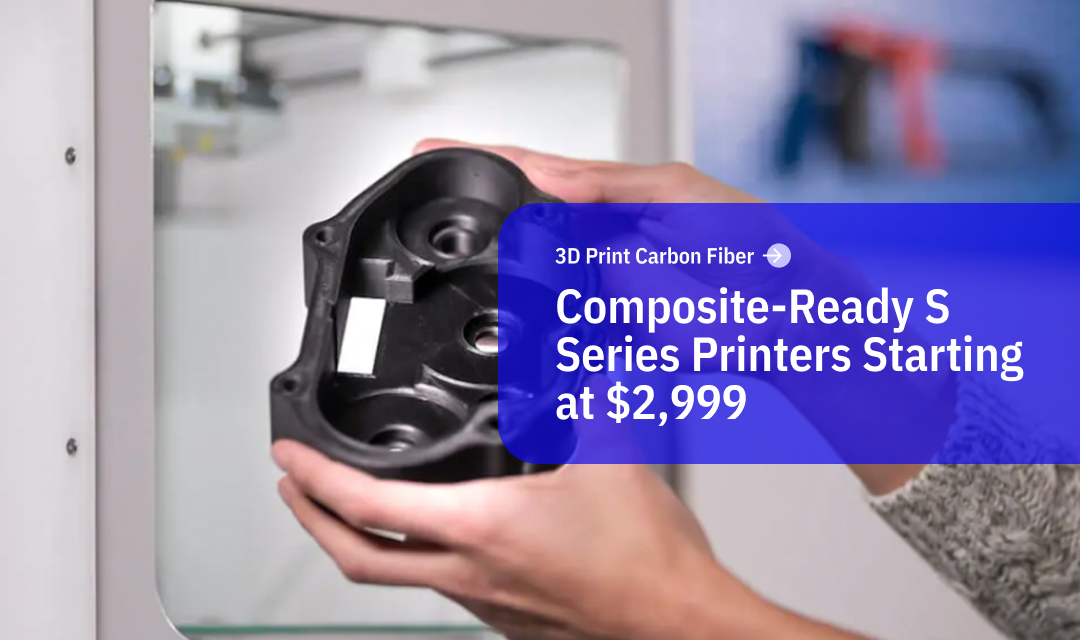
Composite-Ready S Series Printers Starting at $2,999 / €2.999

Don't miss your chance to save on advanced dual-extrusion 3D printing—backed by unmatched reliability, material versatility, and an open platform built for professionals.

Learn more